

Jinshan
Where Mountains Meet the Sea • An Invitation to Nature’s Quiet Beauty
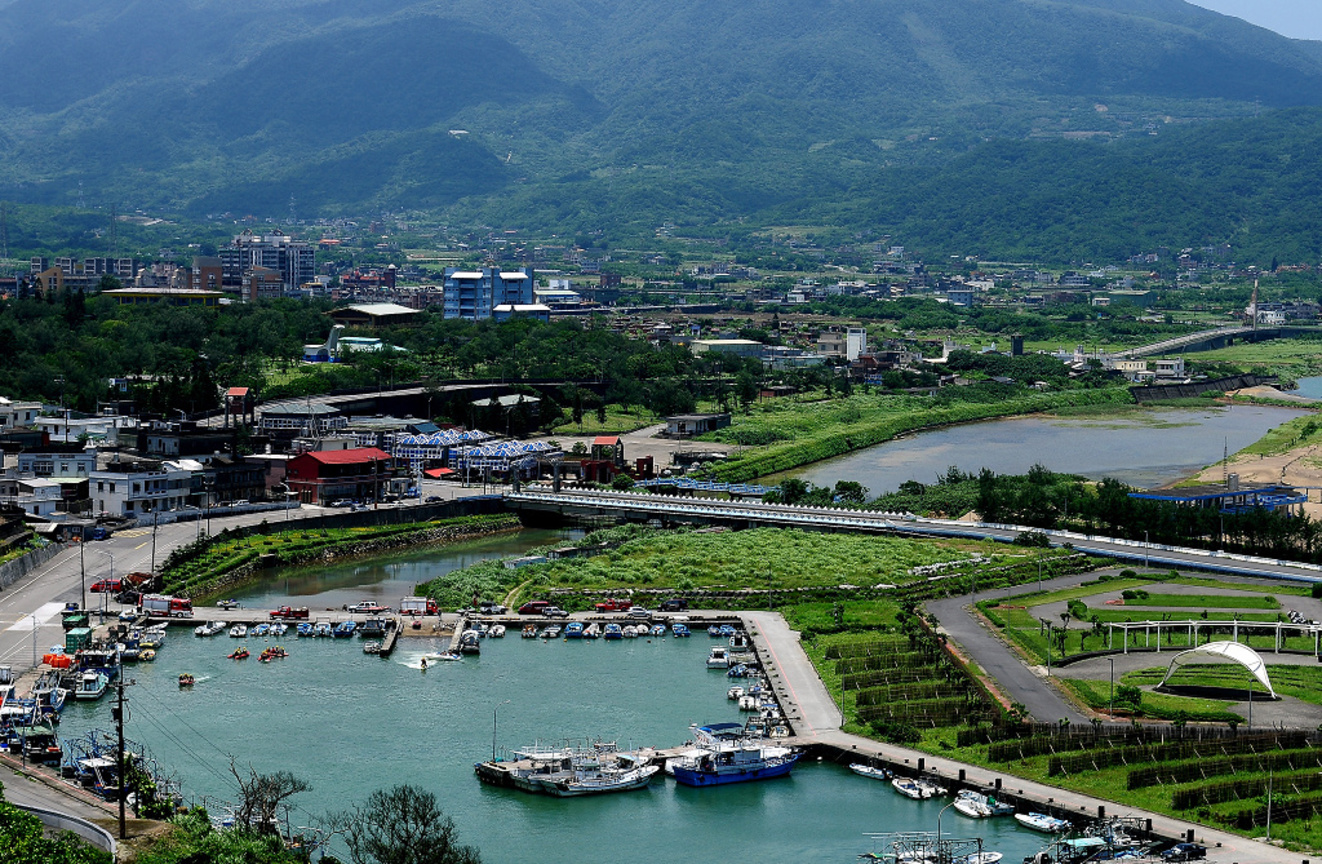
Located on Taiwan’s North Coast, backed by the northern foothills of the Datun Volcano Group and facing the vast East China Sea, Jinshan District is a land where mountains, oceans waters, and farmland intertwine in abundant natural beauty. Renowned for its diverse water quality—including carbonate springs, sulfur springs, and iron springs—Jinshan is the rising star of Taiwan’s northern hot spring clusters.
The district is also home to the 300-year-old Jinbaoli Old Street, winding coastlines, and unique volcanic landscapes. Here, travelers can simultaneously enjoy the healing powers of hot springs, the nostalgic charm of traditional streets, and the serenity of coastal walks.

Travel Guide
"In the morning mist of the North Coast, waves gently pat the rocky shores while fog rises slowly from the volcanic hills. Stepping into Jinshan feels like walking into a living landscape painting, where nature whispers an invitation for you to become part of the scenery."
Begin your journey where the mountains meet the sea. Let your taste buds roam through the savory aroma of duck meat and the sweetness of local sweet potatoes on the Old Street. Let your attire be light enough for a breezy seaside stroll. Stay the night in a hot spring inn, letting the steam become your evening companion. By day, drive or take a bus across the ridges and coast to witness wind-carved rock formations and bustling market life.
Using "Taste, Wear, Stay, and Explore" as your guide, every step is a quiet invitation from Jinshan.
I. Taste: Flavors of the Mountain and Sea
Jinshan’s cuisine possesses both the heartiness of the earth and the tenderness of the sea.
Stroll through Jinbaoli Old Street to find the duck meat stall that draws endless queues. Sliced expertly, the meat is crispy on the outside and tender within—a flavor that feels like history whispering to your palate. Don’t miss the red-fleshed sweet potatoes grown in the hills, taro desserts, and chewy taro balls; these are the rustic, honest flavors nurtured by mountain soil and sea breezes.
Tip: We suggest planning a meal on the Old Street at dusk. As the crowds thin and the lanterns glow, the blend of flavors, wind, and stone pathways will weave itself into your memories.
II. Wear: The Ritual of Travel
This journey is about movement, not just observation.
During the day, as you walk the coast or navigate the Old Street, choose light cotton or linen clothing paired with comfortable walking shoes to suit the salty breeze and sandy paths. At twilight, retreat to a hot spring hotel and change into a yukata or a soft robe, immersing yourself in the ritual of the steam. If you plan a morning hike or a coastal walk, a windbreaker, non-slip shoes, and a hat are essential.
Tip: This is a reminder to slow down from the city pace: only when your body is comfortable can you truly breathe with nature.
III. Stay: Serenity Between the Mountains and Sea
Accommodation in Jinshan ranges from ocean-view hot spring hotels and mountain B&Bs to "slow-living" inns near the Old Street. The famous Jinshan Hot Springs boast four distinct types of water: saltwater (sea), sulfur, carbonate, and iron springs. Soaking here is not just relaxation; it is an immersion into geology and history.
Tip: Choose a hotel that includes breakfast and dinner, ideally near the Old Street or the coastline. If you prefer solitude, a B&B slightly further into the mountains is excellent. At night, listen to the tide, smell the mineral waters, and watch the night clouds—let your body unlock the connection between mountain and sea.
IV. Discovery: Learning Beyond the Journey
Jinshan is not just for viewing, but for understanding.
Step into the Old Street to ask about its origins as a market hub 300 years ago, and learn how agriculture and fishing shaped the streetscape you see today. In the hot spring area, understand how volcanic heat and terrain give birth to the springs, feeling the age-old dialogue between humans and geography. At dusk by the shore, observe the tides, rocks, and moss—a lesson co-taught by nature.
Tip: Bring a notebook to record what you see and think, turning your trip into a blend of knowledge and experience.
V. Leisure: The Rhythm of Slow Living
In Jinshan, "leisure" isn’t just about attractions; it’s about shifting your rhythm.
Take a morning walk by the coast to watch waves echo through rock crevices; rent a bicycle in the afternoon to tour the alleys of the Old Street and fishing harbor; let your body return to stillness with an evening soak.
Tip: Reserve at least one night for your stay. Transform your trip from "seeing" to "living and feeling"—shift from "tourist" to "temporary resident."
Jinshan is a symphony of mountains and seas, and a pause in the rush of life.
When you let your taste buds engage with the land, let your clothing become a travel ritual, let your stay be a breath between the hills and ocean, and let learning dance with leisure—then you are no longer just walking. Step by step, you are coexisting with Jinshan.
We invite you to set aside the hustle of the city and let Jinshan—amidst the sound of wind and springs, the scent of cuisine, and the stone paths—quietly bloom a flower of this journey within your heart.